9+ curated guides • Updated September 2025
Forget the fleeting thrill of a 50% off tag. Most Black Friday 'deals' are just carefully designed traps for your wallet. This year, we're approaching it differently—as an investor. We've curated the only list that matters: purchases that pay for themselves, from energy-saving tech that slashes your utility bills to tools that accelerate your career earnings. This is not a shopping list; it is a portfolio of opportunities. We’ve analyzed common expenditures and identified 12 key asset classes where a strategic Black Friday investment yields a measurable financial return. We will break down the numbers, demonstrate the payback period, and provide the framework to distinguish a genuine asset from a depreciating liability disguised by a discount. Prepare to deploy your capital with precision.
Forget everything you think you know about the corset belt. We're not talking about simple waist-cinching; we're talking about wardrobe architecture. This single item holds the power to transform your oversized blazer into a structured peplum top and your shapeless dress into a couture-level silhouette, all without a single stitch. It is not an accessory you add to an outfit; it is the tool you use to build the outfit itself. By treating your existing clothes as raw material—mere bolts of fabric waiting for form—the corset belt becomes your primary instrument of creation, allowing you to manipulate drape, volume, and proportion with an architect's precision. This is your license to become the master builder of your own style.
For over a decade, 'Celebrity Apprentice' promised a career renaissance, a chance for stars to prove their business acumen in the world's most dramatic boardroom. But what happened after the cameras stopped rolling and the 'You're Fired' echo faded? We analyzed the data to uncover the show's real legacy: was it a golden ticket back to the A-list, or a one-way trip to professional ruin? The premise was seductive: leverage your waning fame, raise money for charity, and remind America why you were a star in the first place. Yet, a critical look at the post-show careers of its contestants reveals a pattern not of revival, but of reputational contamination. The show functioned less as a career launchpad and more as a high-stakes gamble, where the price of admission was often a piece of one's professional soul.
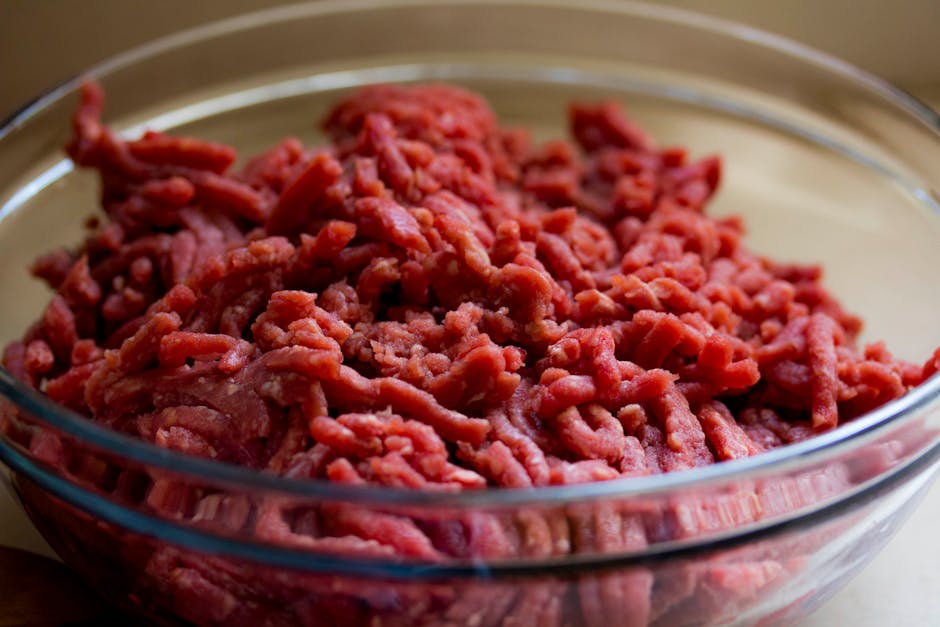
Stuck in a ground beef rut of tacos, burgers, and bolognese? The problem isn't your recipes; it's your pantry pairings. We're about to reveal the flavor map that will turn that humble pound of ground beef into something extraordinary, using surprising ingredients you never thought to try. Forget mindlessly following steps. Today, we're going to teach you how to think, taste, and build flavor like a chef. We're handing you the compass to navigate the vast potential of what is, essentially, the most versatile protein in your kitchen. Think of that package of ground beef not as a destination, but as a blank canvas. The ingredients we're about to explore are your new palette, and the results will be culinary masterpieces that feel entirely your own.
We picture a celebrity's life as a whirlwind of red carpets, private jets, and exclusive parties. But behind every successful personal empire is an unseen, meticulously organized machine, and its engine isn't glamour—it's data, run on the surprisingly mundane framework of an Excel spreadsheet. This isn't just about accounting; it's the central nervous system for a multi-million dollar corporation where the product is a person. As a strategist who builds these systems for high-profile clients, I can tell you that the most critical decisions are made not in a Hollywood boardroom, but by analyzing pivot tables and conditional formatting. Forget the mystique; success in this arena is a game of numbers, and the spreadsheet is the scoreboard, rulebook, and strategic playbook all in one.
You bought the perfect nose stud, only to live in constant, low-grade fear of it falling out. Before you blame the jewelry, consider this: the reason it won't stay put has less to do with style and more to do with your specific anatomy. It's the one secret professional piercers know that changes everything about buying nose jewelry. After more than a decade of looking at thousands of noses, I can tell you that they’re as unique as fingerprints. Ignoring this simple fact is the number one reason for irritation, loss of jewelry, and piercings that just never look quite 'right.' This isn't about shaming your choices; it's about giving you the insider knowledge to make choices that work with your body, not against it.
You see that trendy little sunglasses chain glittering by the Zara checkout and hesitate, wondering if it's a purchase you'll regret in six months. But what if its real purpose isn't for your sunglasses at all? We're about to show you how this one, inexpensive accessory can be secretly repurposed into three other pieces you'll wear long after the initial trend fades. This isn't about indulging in a fleeting fancy; it's about a strategic acquisition. We're reframing this purchase from a disposable trend into a hard-working, multi-functional asset for your style portfolio. Consider it your entry point into the art of accessory alchemy.
You might have bought a designer scarf in 2022 as a simple style upgrade, but what if it was an accidental blue-chip investment? We're looking back at the year's most coveted silks to uncover which ones have transcended trends to become bona fide collector's items with appreciating price tags. In this analysis, we move beyond mere aesthetics to evaluate these pieces as assets. We will dissect the market dynamics that transformed specific silk squares from luxury ephemera into tangible investments, identifying the key indicators—scarcity, narrative, and cultural significance—that signal a future collectible. Prepare to look at that scarf in your closet not just as an accessory, but as a portfolio piece.
You see it as a simple staple in your refrigerator, a source of calcium and comfort. But in the early 20th century, the humble milk molecule was the key to a burgeoning new industry, creating everything from buttons to jewelry. This is the story of how milk was once a plastic, how it's becoming a fabric, and why its secret life as a material is making a major comeback. We often think of industrial revolutions in terms of steam, steel, and silicon. Yet, nestled between the age of Bakelite and the dawn of nylon was a remarkable chapter written in casein—the primary protein in milk. This isn't a story about nutrition; it's a story about transformation, where a biological building block was reshaped into the very fabric of modern life.